It wasn’t long ago that artificial intelligence was something out of science fiction or high-end research labs. Today, it’s quietly turning up in workshops, switchboards and maintenance schedules and is a constant, and sometimes disruptive, fixture in our lives.
AI isn’t about robots taking over, though it can sometime feel like that. A good way to look at it is; you’ve gained a very clever assistant who never sleeps, never forgets, learns fast but needs its work checked by the expert – you!
To make sure you get all the benefits while minimising the noise, we’ve looked at some of the important questions to ask as artificial intelligence finds its place in industrial electrical work.

What is a Copilot?
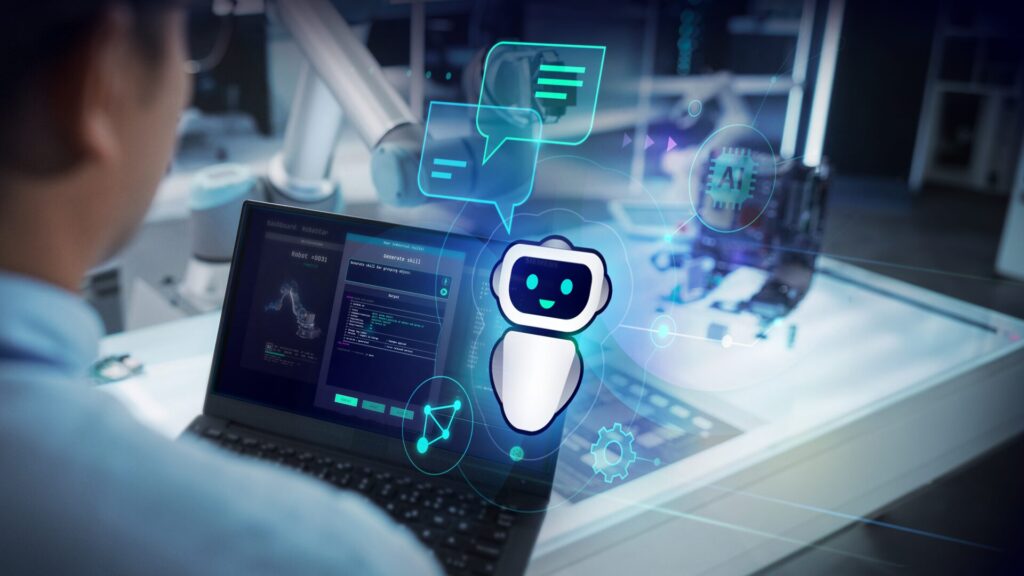
First off, “Copilot” is a term that’s gathered some steam and it basically means the AI assistant that you actually ask questions, request tasks and query. These AI assistants are generally built into software you already use, so will be trained or tuned to the typical processes and data that the software was designed for.
Whether you’re drafting a report, reviewing schematics or checking compliance standards, a Copilot can suggest improvements, flag errors or speed up repetitive tasks. It’s like spell-check for technical work, but much smarter.
What is Generative AI?
Generative AI, another new term that’s become embedded, is the branch of AI that actually creates content. Whether it’s text, images, diagrams or even code, it is generated based on your prompts.
Instead of just searching for information, it produces something new from what it knows. In an industrial context this could mean generating maintenance checklists, writing safety procedures or summarising technical manuals in plain language.
Where can it help?
The nitty gritty – what can it do for me? AI is already proving useful across several industrial areas such as:
Engineering: Reviewing designs, checking tolerances, modelling the effects of variables and spotting inconsistencies.
Operations: Monitoring system performance and uncovering ways to streamline and introduce efficiency.
Project Management: Automating schedules, tracking budgets, notifying or allocating resources and producing progress reports.
Preventative Maintenance: Analysing historical data to forecast when equipment is likely to fail, managing and monitoring schedules and creating equipment lists for things like consumables per job.
In short, it shines wherever there is data, repetition or the need to process large volumes of information quickly. Note that all aspects of the list above have been capably delivered by people for years, AI just takes a lot of the leg work away. The key thing for us is to spend this saved time and resource smartly. Where can our expertise now be focused to generate maximum value and innovation.

What are the risks?
AI is powerful, but it’s not perfect. It can make confident mistakes, misunderstand context or rely on outdated information if not properly managed. Data privacy is another concern, particularly when dealing with client information or proprietary designs. The key is oversight. AI works best when paired with human judgement, not left unattended.
Where has it been done well?
Manufacturing plants are using AI to predict machine failures or inventory alerts weeks in advance. Utilities are applying it to load forecasting and grid stability. Large facilities are automating energy optimisation. In each case, the success comes from combining human experience with data-driven intelligence rather than replacing skilled workers.
Who is leading the charge?
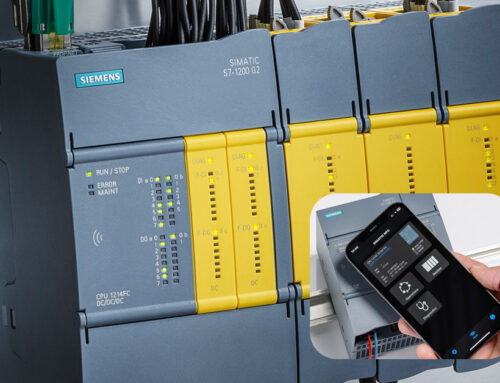
Global technology firms, industrial automation specialists and software providers are all investing heavily in AI. Industry-leading technology pioneers such as Siemens are integrating AI into existing design software, digital twins and smart infrastructure platforms – tools and resources you’re likely using daily already. For example, their latest release of Totally Integrated Automation (TIA) portal introduces its Industrial Copilot to assist PLC programming and system design.
How do I start?
Starting doesn’t require a full system overhaul as many AI tools are already built into everyday software. Begin small by trying an AI assistant for documentation, scheduling or data analysis. Learn its strengths and limits. As confidence grows, expand into predictive maintenance or operational analytics.
Your expertise will be critical in driving AI effectively and will most often result in more work getting completed quicker, so it could be in your interest to try it out in one part of your operation to see what time you win back.
AI in industry is about practical advantage not hype. Used wisely, it becomes another tool in the kit: not a replacement for skill, but an amplifier of it.
Learn about the latest version of TIA portal from Siemens
Talk to us about getting the most from AI in your operation